

The South West Voice and Campbelltown City Council are proud to team up to launch a new monthly history column.
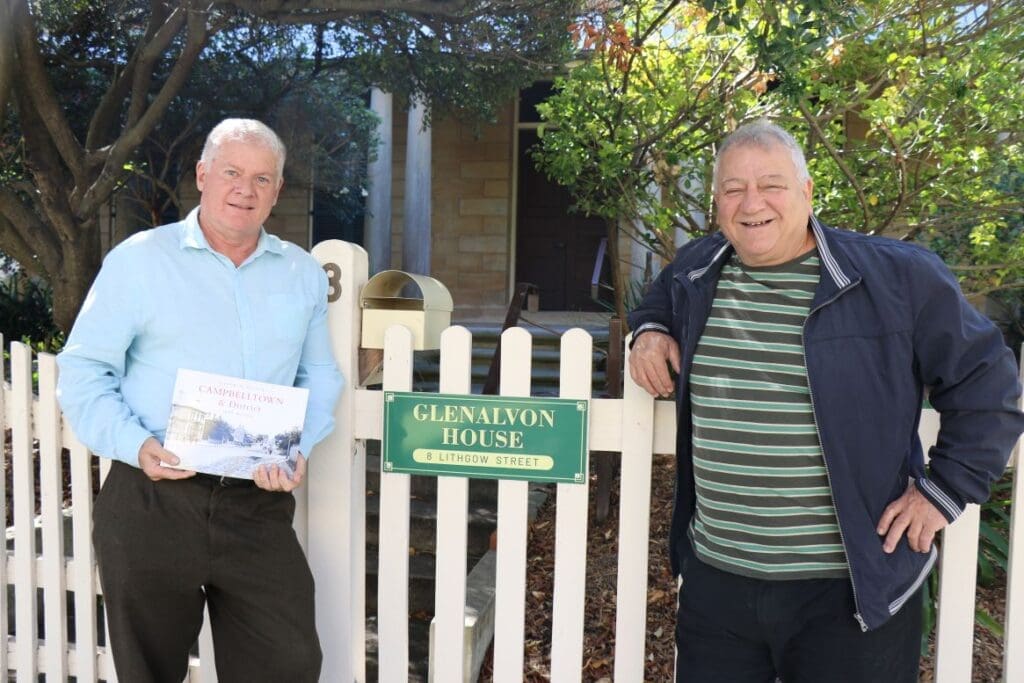
It will be written by council’s Local Studies Librarian Andrew Allen.
Drawing on council’s rich archives and decades of research, Andrew will uncover the intriguing – and often quirky stories – that have shaped Campbelltown.
His monthly column will explore how our city’s past continues to influence the community that we know today.
Andrew kicks off the history column with a look at The Easter Encampment and the daySir Henry Parkes visited Campbelltown in 1891:
The Easter Encampment was a regular feature of the Easter period in the late 19th century.
These camps involved military training for volunteers in the New South Wales military forces over the extended public holiday and formed an important part of the defence of the colony.
Encampments were held around the Sydney area from 1873 to 1900, although not every year.
Campbelltown played host to these grand events in 1874 and then again in 1891.
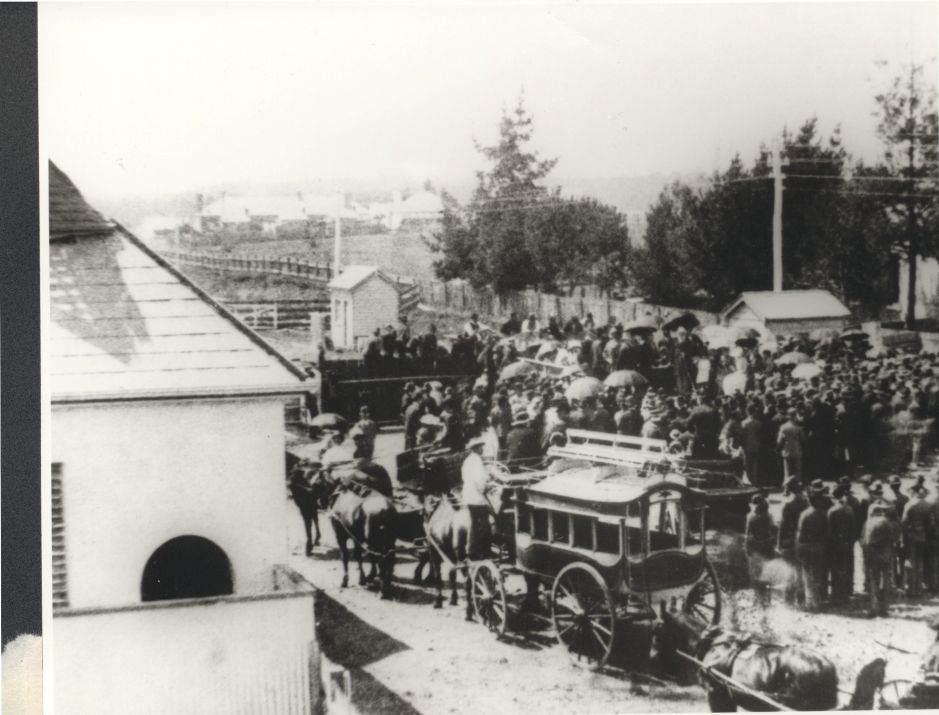
The 1891 Easter Encampment was a significant occasion in our city’s history. The crowds for this event were captured in a grainy photograph taken near Campbelltown Station, showing the reception for Premier Sir Henry Parkes’ visit.
Residents of the town erected a triumphal arch at the railway station for the Premier’s visit.
He wasn’t the only dignitary to visit during the encampment.
Also in attendance for one of the days was the Governor Lord Jersey and his wife and daughter. They arrived in a special train and were greeted with a speech by the Mayor of Sydney. The Governor then replied, saying “all sorts of nice things about Campbelltown”, delighting the “wildly enthusiastic” townspeople.
A component of the training that the volunteers received involved mock battles.
The press of the day described these battles colourfully: “Each side blazed away just in the old sweet way, and at 20 minutes past 12 despite the fact that they were blown to sausage meat and ill-assorted chops some 13 minutes previous, the attacking force took the camp, and it was then supposed to be a desolate wilderness of carnage and human fragments”.
Preparation for the camp involved a huge amount of organisation. According to the Evening News newspaper, a pavilion was erected for the amusement of the large body of men in camp while visiting the town during the encampment.
In addition to this, a concert, quadrille party (a dance popular in the 19th century), a fancy fair and military balls were all arranged for the occasion.

Great to read that a new history column will be written by Andrew Allen each month for the South West Voice – I look forward to reading it each month – people forget how important an outpost town Campbelltown and surrounds were in the early history of the colony. New residents probably rarely give a glance to the historic buildings in the town or the historic homes in surrounding suburbs, so the column will, I hope, encourage some to take more notice of the place they now call home and its history and that of many of the interesting characters who made it their home over the years. Good one, Andrew, and you too, Eric, for taking the column on. I think it will become very popular. I hope to see an article on James Meehan, of Macquarie Field House and Estate in the future – there was an interesting new book about Meehan’s life published recently by his great-great-great grandson, Peter Bradley, titled The Convict and The Compass, which gives a lot of information about him and the areas around Campbelltown etc. Meehan was a champion of Governor Lachlan Macquarie but much overlooked by historians in the past.