
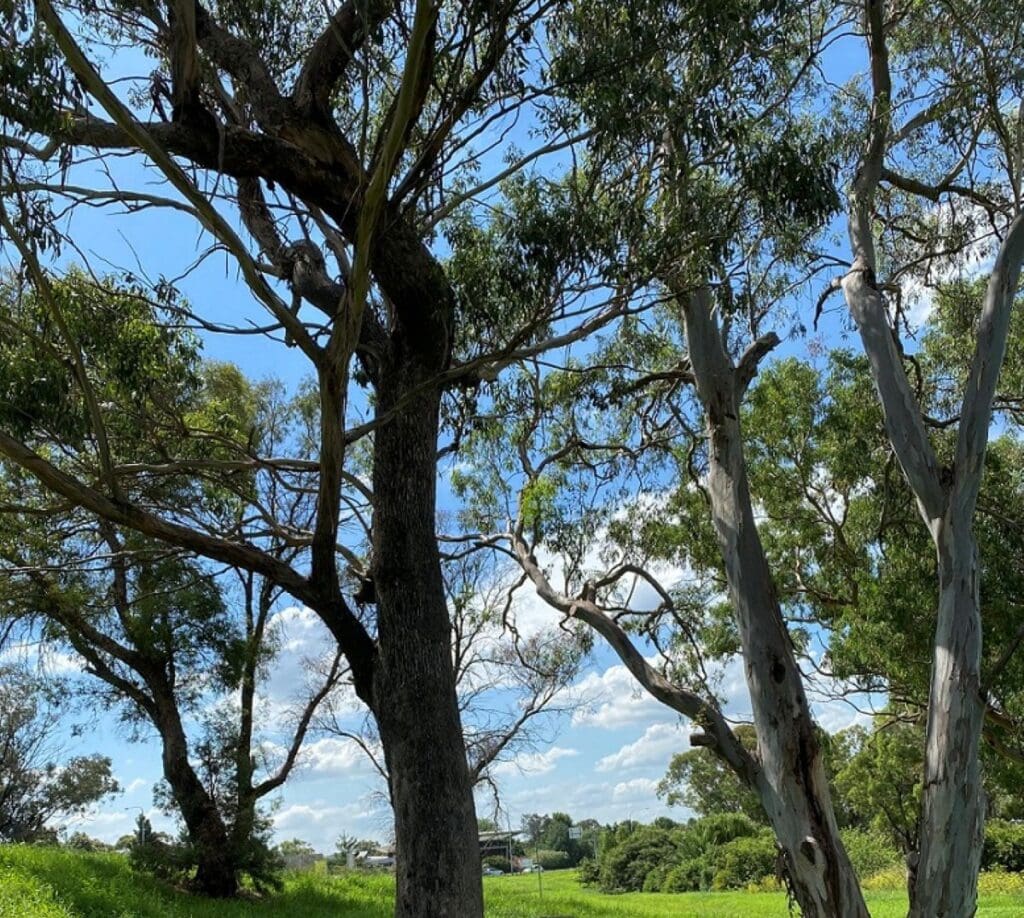
Wattle Grove resident Roy Carter says he got more red tape than he bargained for when he a submitted a tree removal request form to Liverpool City Council.
In return he received a digital form detailing “extensive and expensive inspections and conditions’’.
“No warning prior to submitting the form at a cost of $75 that an array of expensive conditions would be applied if I wished to proceed to actual tree removal permission.
“So then was told it would cost more than twice the price of tree cutting, mulching and removal just to get an approval – why?
“Well, the tree would then require an expert inspection and report, and two new advanced trees would have to be established in an undisclosed or researched location on my small residential block.’’
The South West Voice asked the council to respond to Mr Carter’s claims, and we received an extensive response, quoting a council spokesman.
“Liverpool City Council cannot comment on individual applications for tree removal, as this would breach privacy regulations,’’ the spokesman said.
“Council understands that regulatory processes can be frustrating for some residents.
“However, these steps are necessary to comply with state legislation, Council’s tree policy, tree management strategy, and Tree Management Technical Guidelines and ensure fair, consistent and lawful decisions are made.
“Council works closely with residents, providing guidance, clear information and practical assistance throughout the process to help resolve issues as smoothly and efficiently as possible,’’ he said.
“Residents who apply to have a tree removed from their property may be required to engage an independent arborist to assess the tree. This report is then used by council to determine the application
“If approved, the cost of removal is the responsibility of the resident.
“Council generally allows the removal of trees that are unhealthy, unsafe, threaten infrastructure, or damaging a building.
“When a tree is removed, Council will require a replacement tree to be planted so the tree canopy is preserved.
“Council’s overall policy is to maintain the green canopy of the area because trees provide a broad range of social, economic and environmental benefits.
“Urban tree canopy cools cities by up to 5°C, cutting heat-related illness. A ten per cent canopy increase can reduce energy use for cooling by five to ten per cent.
“Trees filter air pollution, lowering asthma rates, and every dollar invested in tree planting returns about $2 to $5 in health, climate, and economic benefits,’’ the council spokesman said.