
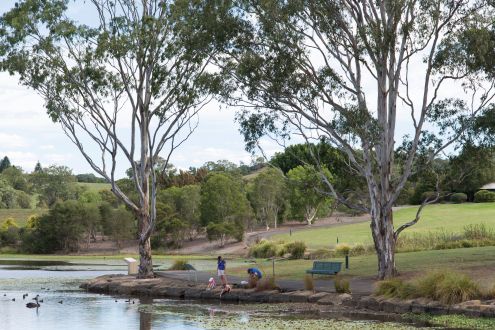
The Australian Botanic Garden Mount Annan spans an enormous 416 hectares, which makes it bigger than Central Park in New York.
It’s also Australia’s leading botanical conservation science hub, home to the National Herbarium of NSW and the Australian PlantBank.
The Garden, which is free to visit, showcases our unique native flora whilst providing essential green space in the booming outer South Western Sydney region.
It’s also the most important piece of green infrastructure in Greater Western Sydney.
But it’s about to get even better, indeed a global botanic garden leader.
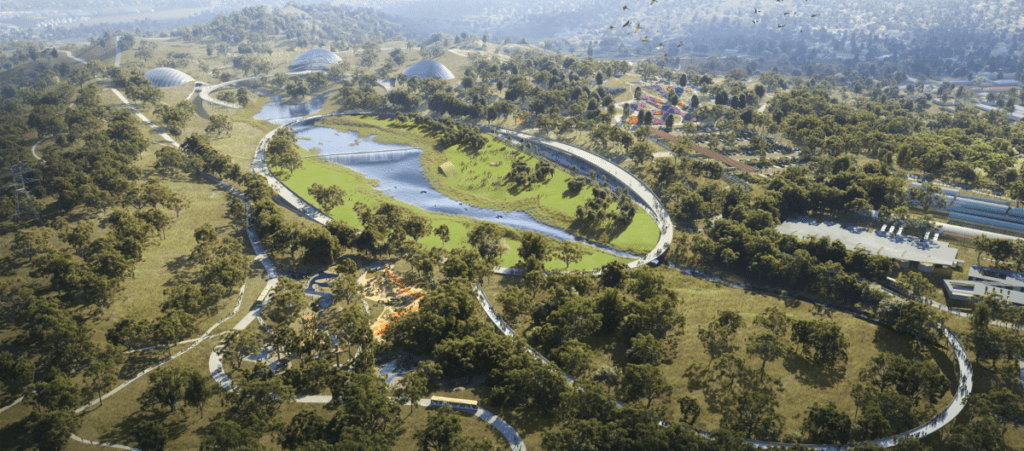
A master plan has just been released which outlines a strategic vision for its future, setting out a clear a pathway for nature-based developments aimed at inspiring good health, relaxation and learning through connections with the natural world.
The master plan proposes the creation of a new lakes precinct, world class biodomes, a First Nations Garden, a native farm, walking trails – including a breathtaking tree top experience, as well as ecotourism and event facilities.
These projects are intended to significantly enhance the Garden as a much valued and used public space that people can enjoy in a range of ways.
The master plan was finalised following extensive stakeholder and public consultation since 2022 and 2023, seeking to build on its legacy of important botanical science and plant collections to become a leader amongst botanic gardens globally.
Member for Camden Sally Quinnell welcomed the release of the master plan.
“Public spaces like the Mount Annan Botanic Gardens aren’t a luxury – they’re essential infrastructure,’’ she said.
“This is about investing in the liveability of South Western Sydney, giving families and key workers access to world-class green space right on their doorstep.
“Only 20km from Western Sydney International Airport, this master plan will guide the Garden to become a key tourism attraction for interstate and international travellers and fulfil the need for more quality green and open space for local people,’’ Ms Quinnell said.
“It will encourage active lifestyles, it will restore biodiversity, and it will improve access to quality recreational areas and environment for families to enjoy.”